standalone

Description

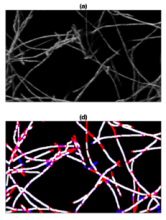
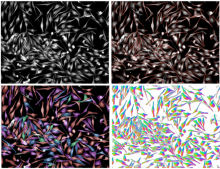
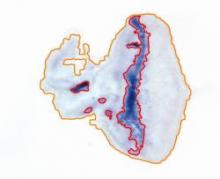
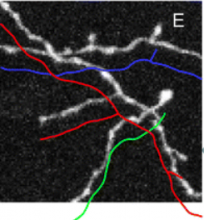
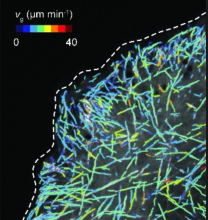
Trace ridges combines filtering, Watershed transforms, Edge detection and mathematical morphology to trace ridges in an image with fibre-like structures. 
Publication provides objective comparison of six existing methodologies (Edge detection, CT Fire, Scale Space, Twombli, U-Net and Graph Based).

has function
Description

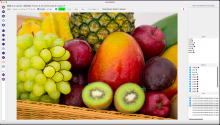
AnyLabeling is Effortless AI-assisted data labeling tool with AI support from Segment Anything and YOLO models!

AnyLabeling = LabelImg + Labelme + Improved UI + Auto-labeling

Installation

Standalone (executable)

The executable file links are provided in Assets section here

Install from source

git clone https://github.com/vietanhdev/anylabeling
cd anylabeling
pip install .

Install from PyPI

pip install anylabeling

With GPU support:

pip install anylabeling-gpu
Description

NODeJ is an ImageJ plugin for 3D segmentation of nuclear objects.

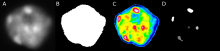
"The three-dimensional nuclear arrangement of chromatin impacts many cellular processes operating at the DNA level in animal and plant systems. Chromatin organization is a dynamic process that can be affected by biotic and abiotic stresses. Three-dimensional imaging technology allows to follow these dynamic changes, but only a few semi-automated processing methods currently exist for quantitative analysis of the 3D chromatin organization. We present an automated method, Nuclear Object DetectionJ (NODeJ), developed as an imageJ plugin. This program segments and analyzes high intensity domains in nuclei from 3D images. NODeJ performs a Laplacian convolution on the mask of a nucleus to enhance the contrast of intra-nuclear objects and allow their detection. We reanalyzed public datasets and determined that NODeJ is able to accurately identify heterochromatin domains from a diverse set of Arabidopsis thaliana nuclei stained with DAPI or Hoechst. NODeJ is also able to detect signals in nuclei from DNA FISH experiments, allowing for the analysis of specific targets of interest. NODeJ allows for efficient automated analysis of subnuclear structures by avoiding the semi-automated steps, resulting in reduced processing time and analytical bias. NODeJ is written in Java and provided as an ImageJ plugin with a command line option to perform more high-throughput analyses. NODeJ can be downloaded from https://gitlab.com/axpoulet/image2danalysis/-/releases with source code, documentation and further information avaliable at https://gitlab.com/axpoulet/image2danalysis . The images used in this study are publicly available at https://www.brookes.ac.uk/indepth/images/ and https://doi-org.osaka-u.idm.oclc.org/10.15454/1HSOIE ."

has function
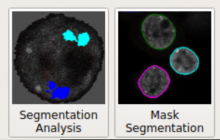
A DAPI-stained nucleus at left, followed by a white segmentation mask, a false-color heatmap, and segmented heterochromatin blocks.
Description

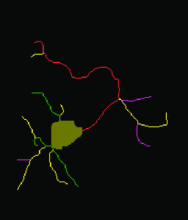
An imageJ/Fiji plugin that measures and classifies neurites from a very large number of neurons.

Description

Description from Github page:

A GUI-based Python framework for segmentation, tracking, cell cycle annotations and quantification of microscopy data.
Provides a GUI for neural network models including Segment Anything Model (SAM), YeaZ, cellpose, StarDist, YeastMate, omnipose, delta, DeepSea.

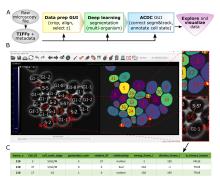
Schematic overview of pipeline and GUI
Description

MetaXpress or in full name "MetaXpress® High-Content Image Acquisition and Analysis Software" is a commercially available closed source software for high-content analysis from Molecular Devices, LLC.. The program is a kind of visually guided workflow programming environment. There is a programming module called CME (custom module editor) which lets one setup integrated workflows for bioimage analysis with visual feedback. It is designed for high-throughput in connection with a included database which stores the experimental data. 

It has several toolboxes for semiautomated processing of various tasks:

3D Analysis (requires Custom Module Editor), Curve fitting, Transmitted light segmentation (requires Custom Module Editors), Angiogenesis tube formation, Cell cycle, Cell health, Cell scoring , Count nuclei, Granularity, Live/dead , Mitotic index, Micronuclei , Monopole detection, Multi-Wavelength cell scoring, Multi-wavelength translocation, Neurite outgrowth , Transfluor® Assay, Translocation* (includes Translocation-Enhanced*) , Transfluor HT Assay , Nuclear translocation HAT, Cell proliferation HT

After the workflow is setup it is possible to apply it automatically to a stack of stored images. The derived data from those analyses is stored in the metaxpress database and can be exported from there.

The use of each toolbox requires a separate license.

Description

ImageJ macro script to streamline the original NMJ-morph methodology doi:10.1098/rsob.160240
Also requires Binary Connectivity https://blog.bham.ac.uk/intellimic/g-landini-software/ 

has function
need a thumbnail
Description

TissUUmaps is a browser-based tool for fast visualization and exploration of millions of data points overlaying a tissue sample. TissUUmaps can be used as a web service or locally in your computer, and allows users to share regions of interest and local statistics.

Description

Image segmentation and object detection performance measures

The goal of this package is to provide easy-to-use tools for evaluation of the performance of segmentation methods in biomedical image analysis and beyond, and to fasciliate the comparison of different methods by providing standardized implementations. This package currently only supports 2-D image data.

has function
Description

SuperDSM is a globally optimal segmentation method based on superadditivity and deformable shape models for cell nuclei in fluorescence microscopy images and beyond.

Description

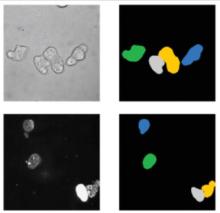
The method proposed in this paper is a robust combination of multi-task learning and unsupervised domain adaptation for segmenting amoeboid cells in microscopy. This end-to-end framework provides a consolidated mechanism to harness the potential of multi-task learning to isolate and segment clustered cells from low contrast brightfield images, and it simultaneously leverages deep domain adaptation to segment fluorescent cells without explicit pixel-level re- annotation of the data.

The entry-point to the codebase is the main.py file. The user has the option to

  • Train the network on their own dataset
  • Load a pre-trained model and use that for inference on their own data
  • NoteThe provided pretrained model was trained on 256x256 images. Results on different resolutions could require fine-tuning This model is trained (supervised) on brightfield, and domain adapted to fluorescence data. The results are saved as 'inference.png'
has function
daman
Description

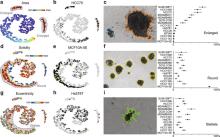
OrganoSeg is an open-source software that integrates segmentation, filtering, and analysis for breast-cancer spheroid and colon and colorectal-cancer organoid morphologies.

Figure 2 in OrganoSeg Scientific Reports publication
Description

Fractal is a framework to process high-content imaging data at scale and prepare it for interactive visualization. Fractal provides distributed workflows that convert TBs of image data into OME-Zarr files. The platform then processes the 3D image data by applying tasks like illumination correction, maximum intensity projection, 3D segmentation using cellpose and measurements using napari workflows. The pyramidal OME-Zarr files enable interactive visualization in the napari viewer.

need a thumbnail
Description

The Incucyte® Base Analysis Software provides a guided interface and purpose-built tools, which include the process of acquiring, viewing, analyzing and sharing images of living cells.

need a thumbnail
Description

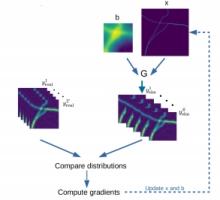
FluoGAN is a fluorescence image deconvolution software combining the knowledge of acquisition physical model with gan. It takes a fluctuating sequence of blurred, undersampled and noisy images of the sample of interest  fixed sample as input from wide field or confocal and returns a super resolved image.

FluoGan
Description


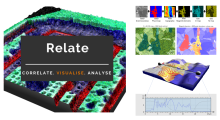
Relate is a correlative software package optimised to work with EM, EDS, EBSD, & AFM data and images.  It provides the tools you need to correlate data from different microscopes, visualise multi-layered data in 2D and 3D, and conduct correlative analyses.

  • Combining data from different imaging modalities (e.g. AFM, EDS & EBSD)

  • Interactive display of multi-layer correlated data

  • Analytical tools for metadata interrogation

  • Documented workflows and processes

Correlate

  • Import data from AZtec using the H5oina file format
  • Import AFM data
  • Correlate both sets of data using intuitive image overlays and image matching tools
  • Produce combined multimodal datasets

Visualise

  • 2D display of multi-layered data
  • 3D visualisation of topography combined with AFM material properties, EM images, and EDS & EBSD map overlays
  • Customisation of colour palettes, data overlays, image rendering options, and document display
  • Export images and animations

Analyse

  • Generate profile (cross section) views of multimodal data
  • Measure and quantify data across multiple layers
  • Analyse areas via data thresholding using amount of x-ray counts, phase maps, height, or other material properties.
  • Select an extensive range of measurement parameters
  • Export analytical data to text or CSV files
Relate analysis workflow example
Description

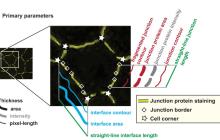
Junction Mapper is a semi-automated software (Java Desktop application) for analysing data from images of cells in close proximity to each other in monolayers. The focus of Junction Mapper is to measure the morphology of cell boundaries, define single junctions and quantify the length, area and intensity of the staining of different proteins localised at cell-cell contacts. The output are various unique parameters that assess the contacting interface between cells and up to two junctional markers.

junction mapper
Description

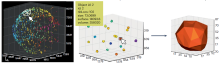
SMLM is a mature but still growing field, which still lacks efficient and user-friendly analysis and visualization software platform adapted for both users and developers. We here introduce PoCA, a powerful open-source software platform dedicated to the visualization and analysis of 2D and 3D point-cloud data. PoCA allows manipulating large datasets, and integrates a plugin architecture, a native batch analysis engine and a Python code interpreter, facilitating both the analysis of data and the integration of new methods.

Visualization, segmentation and exploration of 3D SMLM data
Description

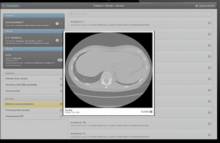
Orthanc aims at providing a simple, yet powerful standalone DICOM server. It is designed to improve the DICOM flows in hospitals and to support research about the automated analysis of medical images. Orthanc lets its users focus on the content of the DICOM files, hiding the complexity of the DICOM format and of the DICOM protocol.

Orthanc can turn any computer running Windows, Linux or OS X into a DICOM store (in other words, a mini-PACS system). Its architecture is lightweight and standalone, meaning that no complex database administration is required, nor the installation of third-party dependencies.

What makes Orthanc unique is the fact that it provides a RESTful API. Thanks to this major feature, it is possible to drive Orthanc from any computer language. The DICOM tags of the stored medical images can be downloaded in the JSON file format. Furthermore, standard PNG images can be generated on-the-fly from the DICOM instances by Orthanc.

Orthanc also features a plugin mechanism to add new modules that extends the core capabilities of its REST API. A Web viewer, a PostgreSQL database back-end, a MySQL database back-end, and a reference implementation of DICOMweb are currently freely available as plugins.

orthanc
Description

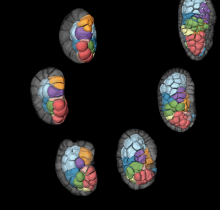
ASTEC stands for Adaptive Segmentation and Tracking of Embryonic Cells. It proposes a full workflow for time lapse light sheet imaging analysis, including drift/motion compensation before the segmentation itself, and the capacity to correct for it.  It was used to process 3D+t movies acquired by the MuViSPIM light-sheet microscope in particular.

Astec embryon
Description

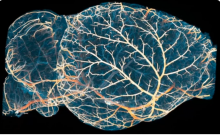
ClearMap is a toolbox for the analysis and registration of volumetric data from cleared tissues.

It was initially developed to map brain activity at cellular resolution in whole mouse brains using immediate early gene expression. It has since then been extended as a tool for the qunatification of whole mouse brain vascualtur networks at capilary resolution.

It is composed of sevral specialized modules or scripts: tubemap, cellmap, WobblyStitcher.

ClearMap has been designed to analyze O(TB) 3d datasets obtained via light sheet microscopy from iDISCO+ cleared tissue samples immunolabeled for proteins. The ClearMap tools may also be useful for data obtained with other types of microscopes, types of markers, clearing techniques, as well as other species, organs, or samples.

ClearMap SCreenshot
Description

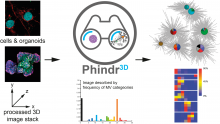
Phindr3D is a comprehensive shallow-learning framework for automated quantitative phenotyping of three-dimensional (3D) high content screening image data using unsupervised data-driven voxel-based feature learning, which enables computationally facile classification, clustering and data visualization.

Please see our GitHub page and the original publication for details.

Viv

Description

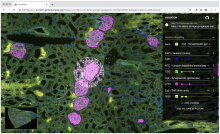
Viv is a JavaScript library providing utilities for rendering primary imaging data. Viv supports WebGL-based multi-channel rendering of both pyramidal and non-pyramidal images. The rendering components of Viv are provided as Deck.gl layers, facilitating image composition with existing layers and updating rendering properties within a reactive paradigm.

Rendering a pyramidal, multiplexed immunofluorescence OME-TIFF image of a human kidney using additive blending to render four image channels into a single RGB image in the client.
Description

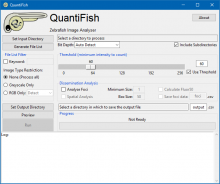
QuantiFish is a quantification program intended for measuring fluorescence in images of zebrafish, although use with images of other specimens is possible. This package is geared towards analysis of fluorescent infection models. The software is designed to automate processing of images of single fish, and outputs results as a .csv file. Alongside measures of total fluorescence above a threshold, this package also introduces several measures for dissemination and distribution of fluorescence throughout the specimen.

QuantiFish User Interface
Description

Histology Topography Cytometry Analysis Toolbox (histoCAT) is a package to visualize and analyse multiplexed image cytometry data interactively. It can also export data in.fcs data for further analysis using  a specialized cytometry sofwtare such as Flowjo. 

It can be run as a compiled standalone or from matlab.

Description

ND-SAFIR is a software for denoising n-dimentionnal images especially dedicated to microscopy image sequence analysis. It is able to deal with 2D, 3D, 2D+time, 3D+time images have one or more color channel. It is adapted to Gaussian and Poisson-Gaussian noise which are usually encountered in photonic imaging. Several papers describe the detail of the method used in ndsafir to recover noise free images (see references).

It is available either in Metamorph (commercial version), either as command line tool. Source are available on demand.

has function
Description

Deep learning based image restoration methods have recently been made available to restore images from under-exposed imaging conditions, increase spatio-temporal resolution (CARE) or self-supervised image denoising (Noise2Void). These powerful methods outperform conventional state-of-the-art methods and leverage down-stream analyses significantly such as segmentation and quantification.

To bring these new tools to a broader platform in the image analysis community, we developed a simple Jupyter based graphical user interface for CARE and Noise2Void, which lowers the burden for non-programmers and biologists to access these powerful methods in their daily routine.  CARE-less supports temporal, multi-channel image and volumetric data and many file formats by using the bioformats library. The user is guided through the different computation steps via inline documentation. For standard use cases, the graphical user interface exposes the most relevant parameters such as patch size and number of training iterations, while expert users still have access to advanced parameters such as U-net depth and kernel sizes. In addition, CARE-less provides visual outputs for training convergence and restoration quality. Any project settings can be stored and reused from command line for processing on compute clusters. The generated output files preserve important meta-data such as pixel sizes, axial spacing and time intervals.

need a thumbnail
Description

Summary

Deep learning-based segmentation of cells, both fluorescence, and bright-field images ("a generalist algorithm for cellular segmentation"). The tool can be used either online or local or via notebooks (e.g. ZeroCostDL4Mic).

How to use it

cellpose can be used online via ready-to-use Jyupyter notebooks with very good documentation. These notebooks are listed here.

Local Installation

The general local installation procedure can be found here.

... Installing to Silicon Mac (M1 processor) needs some tricks, and as of October 2021, the following sequence of commands works. numba should be conda-installed before pip-installing the cellpose.


conda create --name cellpose python=3.8
conda activate cellpose
conda install numba
git clone https://github.com/MouseLand/cellpose.git
cd cellpose
pip install -e .

has topic
has function
Description

VAST (Volume Annotation and Segmentation Tool) is a utility application for manual annotation of large EM stacks.

General labeling tool, used for a large variety of 3D data sets; electron-microscopic, multi-channel light-microscopic, and Micro-CT data sets as well as videos, and annotating arbitrary structures, regions and locations, depending on the user’s needs.

Description

PSFj is a software tool that automatically analyses the full field-of-view (FOV) performance of a given fluorescence microscope/objective lens combination with respect to its optical resolution and chromatic aberrations. PSFj provides reporting functions to document the momentary performance of a system and it allows for the export of the obtained data, e.g. for image restoration purposes. PSFj is based on ImageJ and JAVA, and runs on Windows, Mac, and Linux PCs as a stand-alone application.

has topic
need a thumbnail
Description

Epina ImageLab is a Microsoft Windows-based multisensor imaging tool for processing and analyzing hyperspectral images. It is a modular system consisting of a basic engine, a graphical user interface, a chemometrics toolbox and optional user-supplied modules. It supports the most important spectroscopic imaging techniques, such as UV/Vis, infrared, Raman, THz, optical emission/absorption, and mass spectrometry. On top of that Epina ImageLab enables the user to merge hyperspectral images with maps of physical properties and conventional high-resolution color photos. 

need a thumbnail
Description

QuickFit 3 is a data evaluation software for FCS Fluorescence Correlation Spectroscopy and imagingFCS (imFCS) measurements, developed in the group B040 (Prof. Jörg Langowski) at the German Cancer Research Center (DKFZ). Actually QuickFit 3 itself is a project manager and all functionality is added as plugins. A set of tested plugins for FCS, imagingFCS and some microscopy-related image processing tasks is supplied together with the software.

has function
Description

Summary

napari is a fast, interactive, multi-dimensional image viewer for Python. It’s designed for browsing, annotating, and analyzing large multi-dimensional images. It’s built on top of Qt (for the GUI), vispy (for performant GPU-based rendering), and the scientific Python stack (e.g. numpyscipy). It includes critical viewer features out-of-the-box, such as support for large multi-dimensional data, and layering and annotation. By integrating closely with the Python ecosystem, napari can be easily coupled to leading machine learning and image analysis tools (e.g. scikit-imagescikit-learnTensorFlowPyTorch), enabling more user-friendly automated analysis.

Installation

  • The installation procedure for Silicon Mac (M1 Processor, arm64 ) requires some tricks. As of Oct 2021, this procedure by Peter Sobolewski works but:
    • For installing pyqt5, use a slightly different command `brew install PyQt@5` to install PyQt5.  


Description

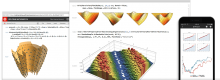
Wolfram Mathematica (usually termed Mathematica) is a modern technical computing system spanning most areas of technical computing — including neural networksmachine learningimage processinggeometrydata sciencevisualizations, and others. The system is used in many technical, scientific, engineering, mathematical, and computing fields.

Description

FastSME: Faster and Smoother Manifold Extraction From 3D Stack.

3D image stacks are routinely acquired to capture data that lie on undulating 3D manifolds yet processed in 2D by biologists. Algorithms to reconstruct the specimen morphology into a 2D representation from the 3D image volume are employed in such scenarios. In this paper, we present FastSME, which offers several improvements on the baseline SME algorithm which enables accurate 2D representation of data on a manifold from 3D volumes, however is computationally expensive. The improvements are achieved in terms of processing speed (3X-10X speed-up depending on image size), minimizing sensitivity to initialization, and also increases local smoothness of the recovered manifold resulting in better reconstructed 2D composite image. We compare the proposed FastSME against the baseline SME as well as other accessible state-of-the-art tools on synthetic and real microscopy data. Our evaluation on multiple metrics demonstrates the efficiency of the presented method in maintaining fidelity of manifold shape and hence specimen morphology.

has topic
has function
Description


DeepCell is neural network library for single cell analysis, written in Python and built using TensorFlow and Keras.

DeepCell aids in biological analysis by automatically segmenting and classifying cells in optical microscopy images. This framework consumes raw images and provides uniquely annotated files as an output.

The jupyter session in the read docs are broken, but the one from the GitHub are functional (see usage example )

deepcell
Description

Dragonfly is a software platform for the intuitive inspection of multi-scale multi-modality image data. Its user-friendly experience translates into powerful quantitative findings with high-impact visuals, driven by nuanced easy-to-learn controls.

For segmentation: It provides an engine fior machine Learning, Watershed and superpixel methods, support histological data .

It offers a 3D viewer, and python scripting capacities .

It is free for reserach use, but not for commercial usage.

DragonFly
Description
has function
Description

CellProfiler Analyst (CPA) allows interactive exploration and analysis of data, particularly from high-throughput, image-based experiments. Included is a supervised machine learning system which can be trained to recognize complicated and subtle phenotypes, for automatic scoring of millions of cells. CPA provides tools for exploring and analyzing multidimensional data, particularly data from high-throughput, image-based experiments analyzed by its companion image analysis software, CellProfiler.

CPA
Description

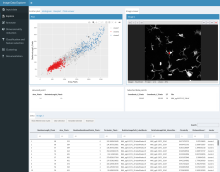
The Image Data Explorer is a Shiny app that allows the interactive visualization of images and ROIs associated with data points shown in a scatter plot. It is useful for exploring the relationships between images/ROIs and associated data represented in tabular format. Additional functionalities include data annotation, dimensionality reduction and classification and feature selection.

has function
Description
has function
Description

This python toolbox performs registration between 2-D microscopy images from the same tissue section or serial sections in several ways to achieve imaging mass spectrometry (IMS) experimental goals.

This code supports the following works and enables others to perform the workflows outlined in the following works, please cite them if you use this toolbox:

  • Advanced Registration and Analysis of MALDI Imaging Mass Spectrometry Measurements through Autofluorescence Microscopy10.1021/acs.analchem.8b02884

  • Next Generation Histology-directed Imaging Mass Spectrometry Driven by Autofluorescence Microscopy10.1021/acs.analchem.8b02885

need a thumbnail
Description

Collection of several basic standard image segmentation methods focusing on medical imaging. In particular, the key block/applications are (un)supervised image segmentation using superpixels, object centre detection and region growing with a shape prior. Besides the open-source code, there is also a few sample images.


has topic
has function
Description

VascuSynth is an ITK-based synthetic image generator. It synthesizes volumetric images of vascular trees and generates a .gxl file of the ground-truth tree structure. VascuSynth receives a number of .txt configuration files and is capable of generating both ground truth ('ideal') images and images with added noise. The user is capable of choosing from a set simple noise additions and artefacts.

has function
Description

Holovibes is a free software dedicated to the calculation of holograms in real-time. Input interferogram data can be grabbed from a digital camera or loaded from files recorded beforehand. Massive amounts of data can be handled robustly at high throughput, saved to disk, and visualized in real-time without any risk of frame dropping thanks to the use of several configurable input and output memory buffers.

Main features

Image acquisition from several digital cameras or from data files
Choice of hologram rendering method
Blazing-fast hologram rendering
Real-time computation of spectrograms
Hologram autofocus
Image and video post-processing
High throughput saving to disc of massive datasets
Batch recording and communication with remote instruments via GPIB

Requirements

A PC with at least 8 GB of RAM
Microsoft Windows 7/10 64-bit operating system
A NVidia graphics card (GeForce GTX 700+ series)
NVidia CUDA 9
A supported digital camera, or raw interferogram files

Use case examples

Holographic microscopy
Holographic OCT
Holographic vibrometry
Holographic angiography
Holographic plethysmography

need a thumbnail
Description

Image correction software for chromatic shifts in fluorescence microscopy

null
Description

Daybook 2 is the analysis software linked to argoligth slides. It tests the performance of microscopes on various levels: illumination homogeneity, field distortion, lateral resolving power, stage drift, chromatic aberrations, intensity response... It works with various file formats but requires the use of an argolight test slide. 

Description

Spimagine is a python package to interactively visualize and process time lapsed volumetric data as generated with modern light sheet microscopes (hence the Spim part). The package provides a generic 3D+t data viewer and makes use of GPU acceleration via OpenCL. If provides further an image processor interface for the GPU accelerated denoising and deconvolution methods of gputools.

It is only for display (no analysis). The only drawback: it does not handle multichannel time lapse 3D data (only one channel at a time).

has function
Spimagine
Description

TEM ExosomeAnalyzer is a program for automatic and semi-automatic detection of extracellular vesicles (EVs), such as exosomes, or similar objects in 2D images from transmission electron microscopy (TEM). The program detects the EVs, finds their boundaries, and reports information about their size and shape.

The software has been developed in terms of project MUNI/M/1050/2013 and supported by Grant Agency of Masaryk University.

The EVs are detected based on the shape and edge contrast criteria. The exact shapes of the EVs are then segmented using a watershed-based approach.

With proper parameter settings, even images with EVs both lighter and darked than the background, or containing artifacts or precipitated stain can be processed. If the fully-automatic processing fails to produce the correct results, the program can be used semi-automatically, letting the user adjust the detection seeds during the intermediate steps, or even draw the whole segmentation manually.

screen capture from exosomeAnalyzer
Description

It is an interactive front-end visualization for registration software based on Elasix (VTK/ITK)

has topic
need a thumbnail
Description

There are many methods in bio-imaging that can be parametrized. This gives more flexibility
to the user as long as tools provide easy support for tuning parameters. On the other hand, the
datasets of interest constantly grow which creates the need to process them in bulk. Again,
this requires proper tool support, if biologist is going to be able to organize such bulk
processing in an ad-hoc manner without the help of a programmer. Finally, new image
analysis algorithms are being constantly created and updated. Yet, lots of work is necessary to
extend a prototype implementation into product for the users. Therefore, there is a growing
need for software with a graphical user interface (GUI) that makes the process of image
analysis easier to perform and at the same time allows for high throughput analysis of raw
data using batch processing and novel algorithms. Main program in this area are written in
Java, but Python grow in bioinformatics and will be nice to allow easy wrap algorithm written
in this language.
Here we present PartSeg, a comprehensive software package implementing several image
processing algorithms that can be used for analysis of microscopic 3D images. Its user
interface has been crafted to speed up workflow of processing datasets in bulk and to allow
for easy modification of algorithm’s parameters. In PartSeg we also include the first public
implementation of Multi-scale Opening algorithm descibed in [1]. PartSeg allows for
segmentation in 3D based on finding connected components. The segmentation results can be
corrected manually to adjust for high noise in the data. Then, it is possible to calculate some
standard statistics like volume, mass, diameter and their user-defined combinations for the
results of the segmentation. Finally, it is possible to superimpose segmented structures using
weighted PCA method. Conclusions: PartSeg is a comprehensive and flexible software
dedicated to help biologists in processing, segmentation, visualization and the analysis of the
large microscopic 3D image data. PartSeg provides well established algorithms in an easy-touse,
intuitive, user-friendly toolbox without sacrificing their power and flexibility.


Examples include Chromosome territory analysis.

PartSeg
Description

AssayScope is an intuitive application dedicated to large scale image processing and data analysis. It is meant for histology, cell culture (2D, 3D, 2D+t) and phenotypic analysis. 

need a thumbnail
Description

The Allen Cell Structure Segmenter is a Python-based open source toolkit developed at the Allen Institute for Cell Science for 3D segmentation of intracellular structures in fluorescence microscope images.

It consists of two complementary elements:

  1. Classic image segmentation workflows for 20 distinct intracellular structure localization patterns. A visual “lookup table” is outlining the modular algorithmic steps for each segmentation workflow. This provides an intuitive guide for selection or construction of new segmentation workflows for a user’s particular segmentation task. 
  2. Human-in-the-loop iterative deep learning segmentation workflow trained on ground truth manually curated data from the images segmented with the segmentation workflow. Importantly, this module was not released yet.


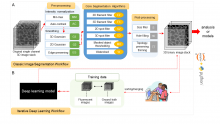
The Allen Cell Structure Segmenter Overview
Description

Nessys: Nuclear Envelope Segmentation System


Nessys is a software written in Java for the automated identification of cell nuclei in biological images (3D + time). It is designed to perform well in complex samples, i.e when cells are particularly crowded and heterogeneous such as in embryos or in 3D cell cultures. Nessys is also fast and will work on large images which do not fit in memory.


Nessys also offers an interactive user interface for the curation and validation of segmentation results. Think of this as a 3D painter / editor. This editor can also be used to generate manually segmented images to use as ground truth for testing the accuracy of the automated segmentation method.


Finally Nessys, contains a utility for assessing the accuracy of the automated segmentation method. It works by comparing the result of the automated method to a manually generated ground truth. This utility will provide two types of output: a table with a number of metrics about the accuracy and an image representing a map of the mismatch between the result of the automated method and the ground truth.

has function
Description

FluoRender is an interactive rendering tool for confocal microscopy data visualization. It combines the rendering of multi-channel volume data and polygon mesh data, where the properties of each dataset can be adjusted independently and quickly. The tool is designed especially for neurobiologists, allowing them to better visualize confocal data from fluorescently-stained brains, but it is also useful for other biological samples.

FluoRenderer
Description

Paintera is a general visualization tool for 3D volumetric data and proof-reading in segmentation/reconstruction with a primary focus on neuron reconstruction from electron micrographs in connectomics. It features/supports:

  •  Views of orthogonal 2D cross-sections of the data at arbitrary angles and zoom levels
  •  Mipmaps for efficient display of arbitrarily large data at arbitrary scale levels
  •  Label data
    •  Painting
    •  Manual agglomeration
    •  3D visualization as polygon meshes
      •  Meshes for each mipmap level
      •  Mesh generation on-the-fly via marching cubes to incorporate painted labels and agglomerations in 3D visualization. Marching Cubes is parallelized over small blocks. Only relevant blocks are considered (huge speed-up for sparse label data).

Paintera is implemented in Java and makes extensive use of the UI framework JavaFX

Paintera screenshot
Description

shinyHTM is an open source, web-based tool for data exploration, image visualization and normalization of High Throughput Microscopy data. Within shinyHTM the user is guided through a linear workflow which follows the following best practices:

  • Inspect the numerical data through plotting
  • Measurements are linked to raw images
  • Perform quality control to exclude images with aberrations or where image analysis failed
  • Perform a reproducible data analysis
  • Normalize data and report statistical significance

Image visualization relies on Fiji/ImageJ, along with its wealth of analytical tools.

shinyHTM can be used to analyze image features obtained with CellProfiler, ImageJ or any other bioimage analysis software. The output of analysis is a publication-ready scoring of the data.

shinyHTM is based on the R shiny package.

shinyHTM
Description

The Topology ToolKit (TTK) is an open-source library and software collection for topological data analysis in scientific visualization.

TTK can handle scalar data defined either on regular grids or triangulations, either in 2D or in 3D. It provides a substantial collection of generic, efficient and robust implementations of key algorithms in topological data analysis. It includes:
 · For scalar data: critical points, integral lines, persistence diagrams, persistence curves, merge trees, contour trees, Morse-Smale complexes, topological simplification;
 · For bivariate scalar data: fibers, fiber surfaces, continuous scatterplots, Jacobi sets, Reeb spaces;
 · For uncertain scalar data: mandatory critical points;
 · For time-varying scalar data: critical point tracking;
 · For high-dimensional / point cloud data: dimension reduction;
 · and more!


TTK makes topological data analysis accessible to end users thanks to easy-to-use plugins for the visualization front end ParaView. Thanks to ParaView, TTK supports a variety of input data formats.
 

TTK is written in C++ but comes with a variety of bindings (VTK/C++, Python) and standalone command-line programs. It is modular and easy to extend. We have specifically developed it such that you can easily write your own data analysis tools as TTK modules.

has topic
ttk
Description

ParaView is an open-source, multi-platform data analysis and visualization application. ParaView users can quickly build visualizations to analyze their data using qualitative and quantitative techniques. The data exploration can be done interactively in 3D or programmatically using ParaView’s batch processing capabilities.

ParaView was developed to analyze extremely large datasets using distributed memory computing resources. It can be run on supercomputers to analyze datasets of petascale size as well as on laptops for smaller data, has become an integral tool in many national laboratories, universities and industry, and has won several awards related to high performance computation.

paraviewbloodcells
Description

Blender is the free and open source 3D creation suite. It supports the entirety of the 3D pipeline—modeling, rigging, animation, simulation, rendering, compositing and motion tracking, even video editing and game creation.

Description

The software FishInspector provides automatic feature detections in images of zebrafish embryos (body size, eye size, pigmentation). It is Matlab-based and provided as a Windows executable (no matlab installation needed).

The recent version requires images of a lateral position. It is important that the position is precise since deviation may confound with feature annotations. Images from any source can be used. However, depending on the image properties parameters may have to be adjusted. Furthermore, images obtained with normal microscope and not using an automated position system with embryos in glass capillaries require conversion using a KNIME workflow (the workflow is available as well). As a result of the analysis the software provides JSON files that contain the coordinates of the features. Coordinates are provided for eye, fish contour, notochord , otoliths, yolk sac, pericard and swimbladder. Furthermore, pigment cells in the notochord area are detected. Additional features can be manually annotated. It is the aim of the software to provide the coordinates, which may then be analysed subsequently to identify and quantify changes in the morphology of zebrafish embryos.

FishInspector Logo
Description

IDE for JVM

Every aspect of IntelliJ IDEA is specifically designed to maximize developer productivity. Together, the powerful static code analysis and ergonomic design make development not only productive but also an enjoyable experience.

It can be seen as an alternative to Eclipse for example for java based development. It exists in both a commercial and a free and open source version.

Description

3-D density kernel estimation (DKE-3-D) method, utilises an ensemble of random decision trees for counting objects in 3D images. DKE-3-D avoids the problem of discrete object identification and segmentation, common to many existing 3-D counting techniques, and outperforms other methods when quantification of densely packed and heterogeneous objects is desired. 

Description

Maxima finding algorithm implemented in Python recreated from implementation in Fiji(ImageJ)

This is a re-implementation of the java plugin written by Michael Schmid and Wayne Rasband for ImageJ. The original java code source can be found in: https://imagej.nih.gov/ij/developer/source/ij/plugin/filter/MaximumFinder.java.html 

This implementation remains faithful to the original implementation but is not 100% optimised. The java version is faster but this could be alleviated by compiling c code for parts of the code. This script is simply to provide the functionality of the ImageJ find maxima algorithm to individuals writing pure python script.

The algorithm works as follows:

The first stage in the maxima finding algorithm is to find the local maxima. This involves processing the image with a 3x3 neighbourhood maximum filter. Once filtered this image is compared back to the original, where the pixels are the same value represents the locations of the local maxima. Typically there are far too many local maxima to be meaningful so the goal is then to merge and prune this maxima using some kind of measure of quality. In the case of algorithm a single parameter is used, the noise tolerance (Prominence). If a maxima is close to another then the maxima will be merged or removed based on the below criteria.

Starting with the brightest maxima and working down the intensities:

  • Expand out (‘flood fill’) from each maxima location. Neighbouring pixels within a noise tolerance (notl) of the maxima are scanned until the region within tolerance is exhausted.
    • If the pixels are equal to the maxima, mark this as equal.
    • If a greater maxima is met, ignore the active maxima.
    • If the pixels are less than maxima, but greater than maxima minus the noise tolerance, mark as listed.
    • Mark all ‘listed’ pixels 'processed' if they are included within a valid peak region, otherwise reset them.
    • From the regions containing a peak, calculate the best pixel to be considered as maxima based on minimum distance calculation with all those maxima considered equal.
       

For a video detailing how this algorithm works please see:

https://youtu.be/f9vXOMKOlaY

Or for examples of it being used in practise, please see:

https://youtu.be/9wvPsEzRWzI


find maxima comparison.
Description

FoCuS-point is stand-alone software for TCSPC correlation and analysis. FoCuS-point utilizes advanced time-correlated single-photon counting (TCSPC) correlation algorithms along with time-gated filtering and innovative data visualization. The software has been designed to be highly user-friendly and is tailored to handle batches of data with tools designed to process files in bulk. FoCuS-point also includes advanced diffusion curve fitting algorithms which allow the parameters of the correlation functions and thus the kinetics of diffusion to be established quickly and efficiently.

Description

FoCuS-scan is software for processing and analysis of large-scale scanning fluorescence correlation spectroscopy (FCS) data. FoCuS-scan can correlate data acquired on conventional turn-key confocal systems and in the form of xt image carpets.

Description

Biocat is a java based software that allows to perform image classification or segmentation using machine learning. Several algorithm for the classification are available.

has topic
need a thumbnail
Description

Non linear registration intensity based for MRI brain exams. To be applied after FLIRT

a brain mri
Description

FLIRT (FMRIB's Linear Image Registration Tool) is a fully automated robust and accurate tool for linear (affine) intra- and inter-modal brain image registration.

FLIRT comes with a main GUI as well as three supporting guis:

  • ApplyXFM - for applying saved transformations and changing FOVs
  • InvertXFM - for inverting saved transformations
  • ConcatXFM - for concatenating saved transformations
Description

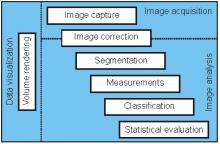
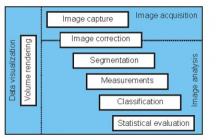
Acquiarium is open source software (GPL) for carrying out the common pipeline of many spatial cell studies using fluorescence microscopy. It addresses image capture, raw image correction, image segmentation, quantification of segmented objects and their spatial arrangement, volume rendering, and statistical evaluation.

It is focused on quantification of spatial properties of many objects and their mutual spatial relations in a collection of many 3D images. It can be used for analysis of a collection of 2D images or time lapse series of 2D or 3D images as well. It has a modular design and is extensible via plug-ins. It is a stand-alone, easy to install application written in C++ language. The GUI is written using cross-platform wxWidgets library.

Acquiarium functionalities diagram
Description

Stochastic optical reconstruction microscopy (STORM) and related methods achieves sub-diffraction-limit image resolution through sequential activation and localization of individual fluorophores. The analysis of image data from these methods has typically been confined to the sparse activation regime where the density of activated fluorophores is sufficiently low such that there is minimal overlap between the images of adjacent emitters. Recently several methods have been reported for analyzing higher density data, allowing partial overlap between adjacent emitters. However, these methods have so far been limited to two-dimensional imaging, in which the point spread function (PSF) of each emitter is assumed to be identical.

In this work, we present a method to analyze high-density super-resolution data in three dimensions, where the images of individual fluorophores not only overlap, but also have varying PSFs that depend on the z positions of the fluorophores.


need a thumbnail
Description

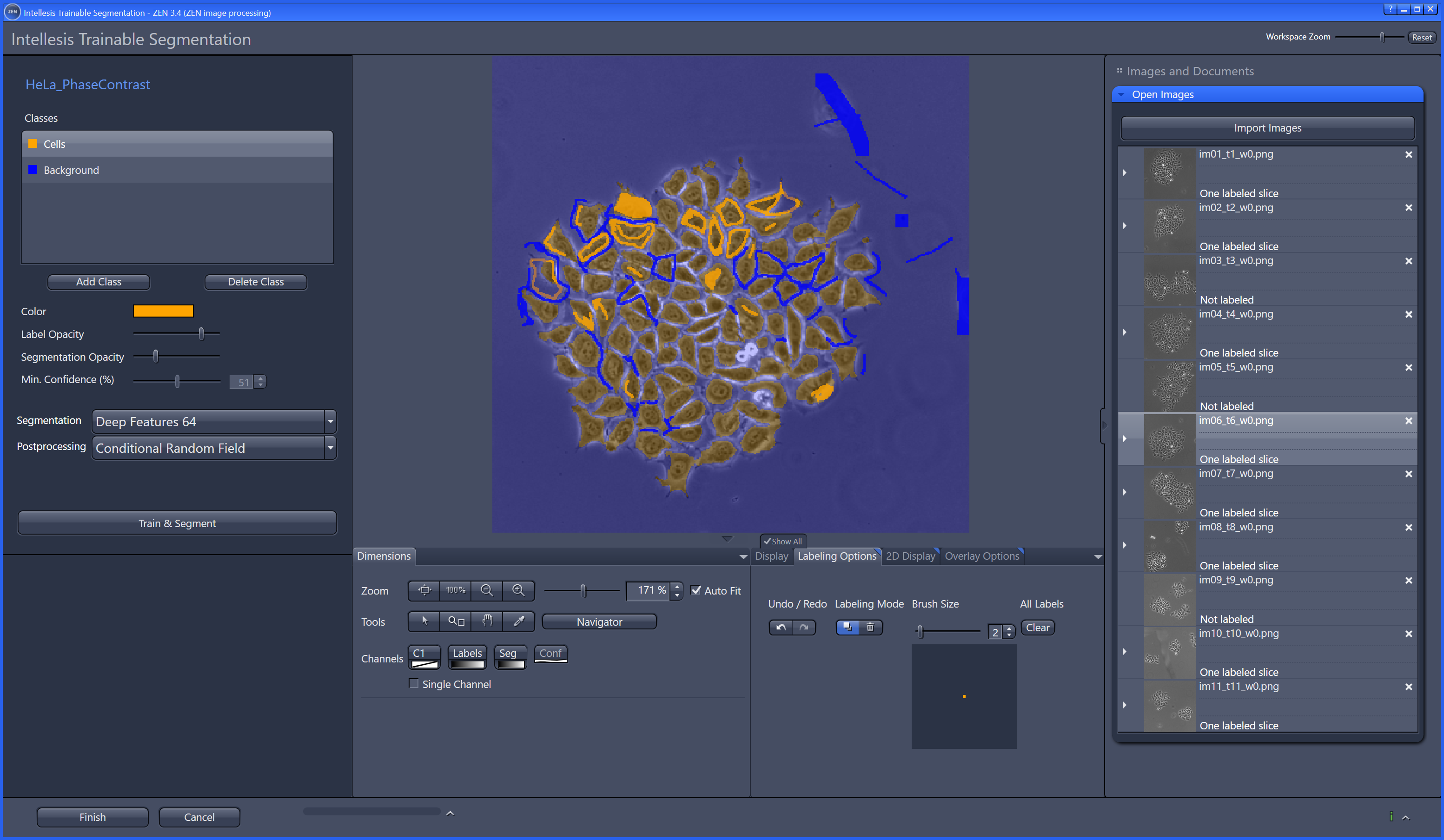
ZEN and APEER – Open Ecosystem for integrated Machine-Learning Workflows

Open ecosystem for integrated machine-learning workflows to train and use machine-learning models for image processing and image analysis inside the ZEN software or on the APEER cloud-based platform

Highlights ZEN

  • Simple User Interface for Labeling and Training
  • Engineered Features Sets and Deep Feature Extraction + Random Forrest for Semantic Segmentation
  • Object Classification workflows
  • Probability Thresholds and Conditional Random Fields
  • Import your own trained models as *.czann files (see: czmodel · PyPI)
  • Import "AIModel Containes" from arivis AI for advanced Instance Segmentation
  • Integration into ZEN Measurement Framework
  • Support for Multi-dimensional Datasets and Tile Images
  • open and standardized format to store trained models
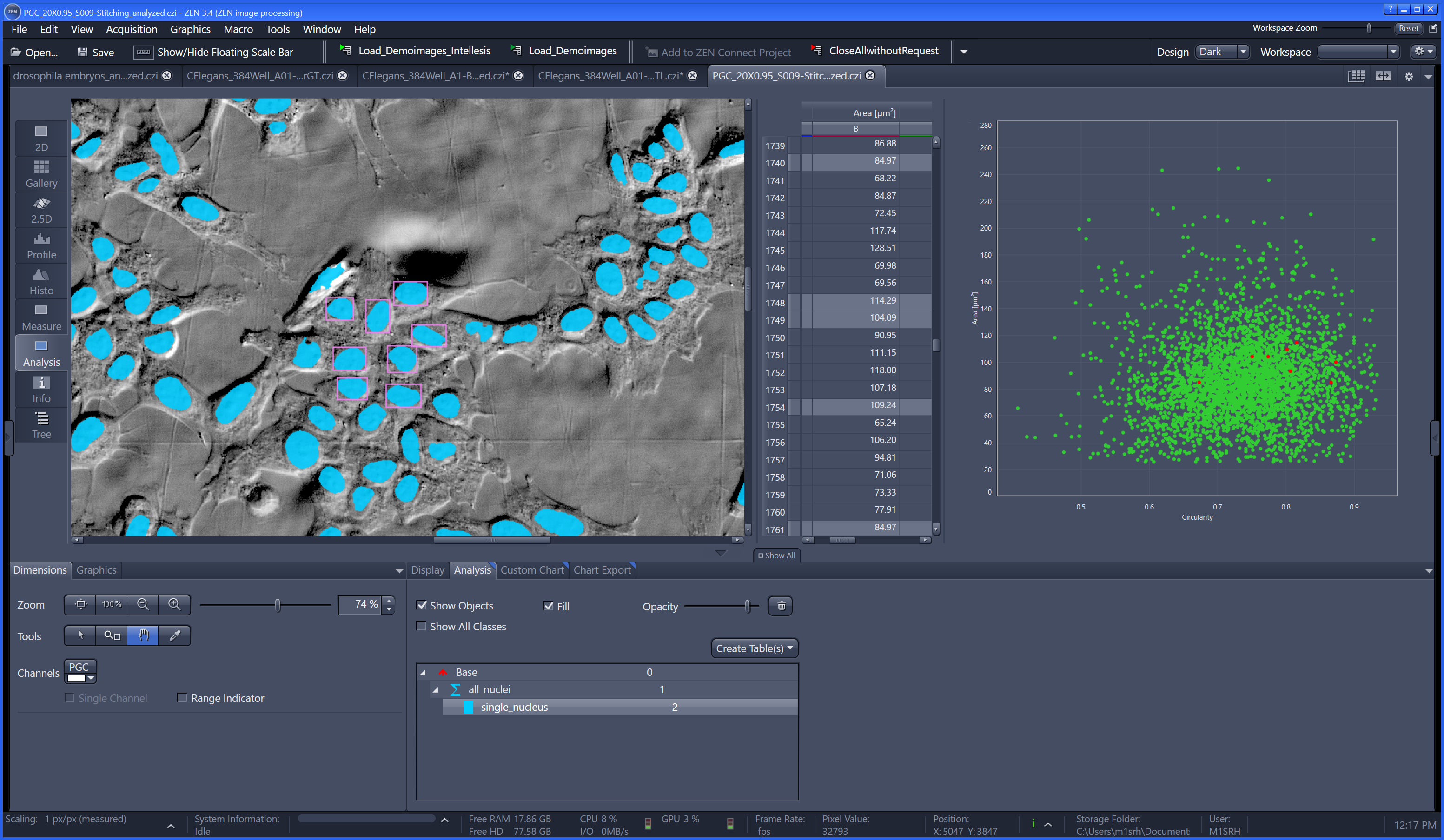
ZEN Intellesis Segmentation

ZEN Intellesis Segmentation - Training UI

ZEN Intellesis - Pretrained Networks

ZEN Intellesis Segmentation - Use Deep Neural Networks

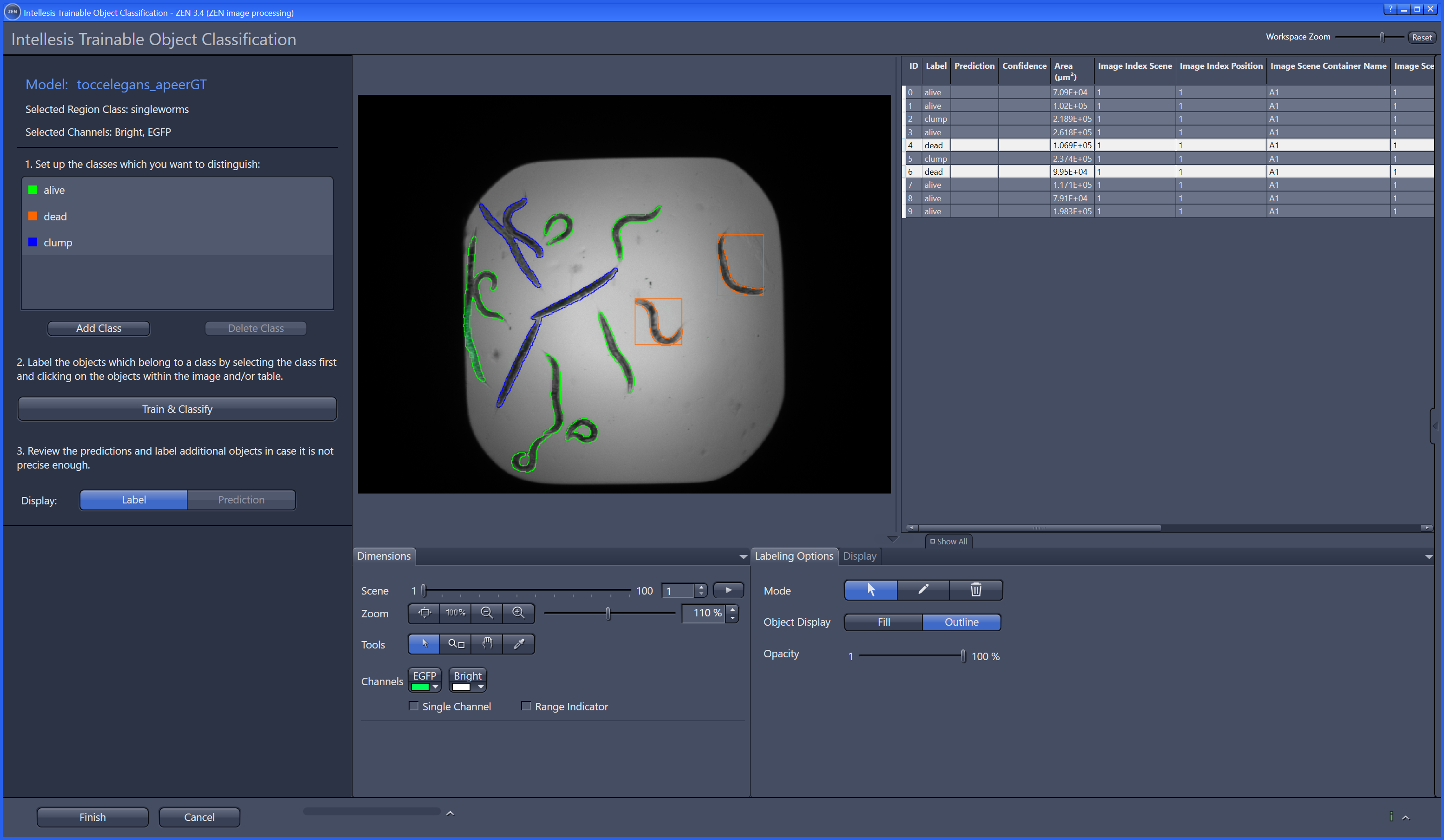
Intellesis Object Classification

ZEN Object Classification

Highlights Aarivis AI

  • Web-based tool to label datasets to train Deep Neural Networks
  • Fully automated hyper-parameter tuning
  • Export of trained models for semantic segmentation and AIModelContainer for Instance Segmentation
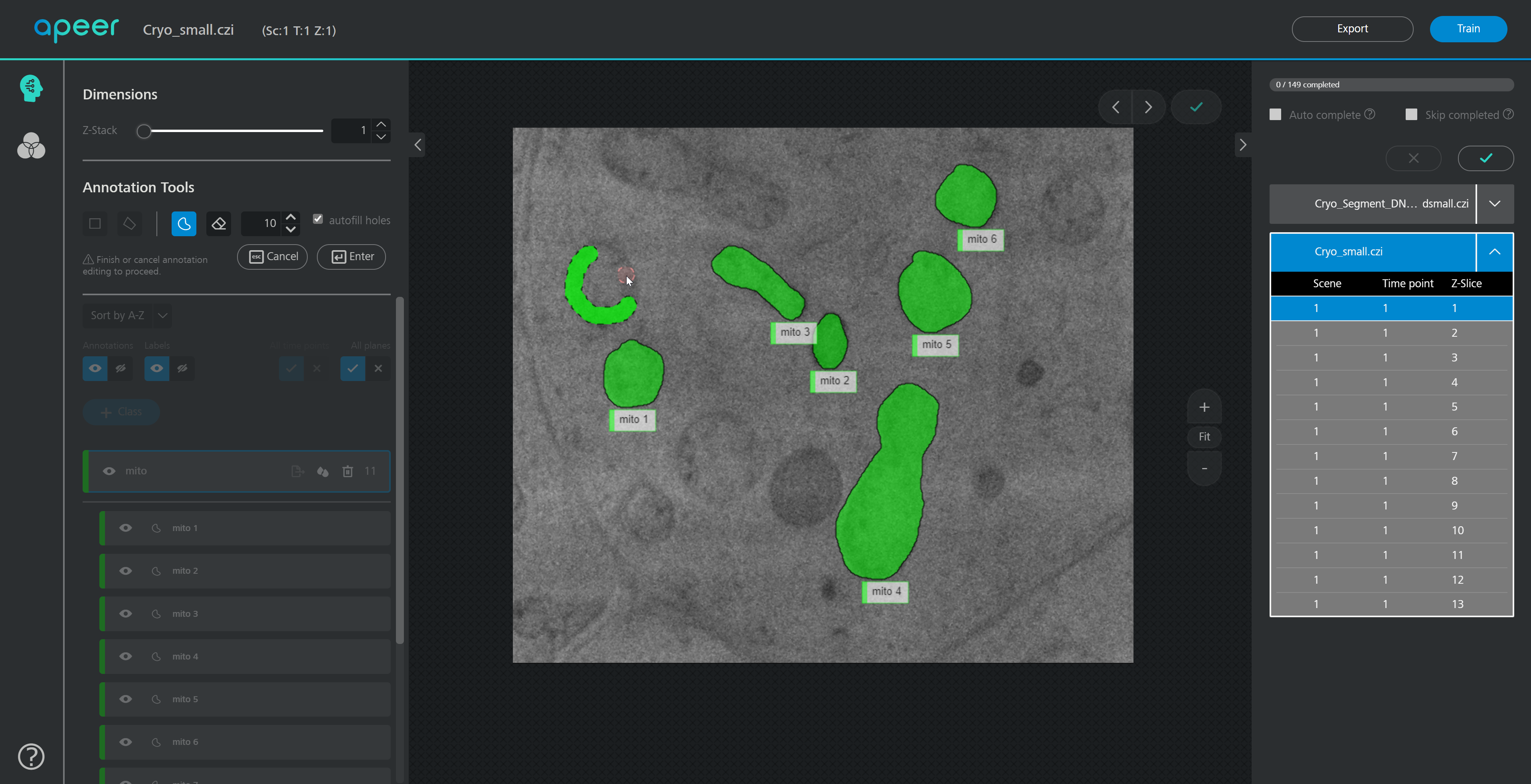
Annotation Tool

APEER Annotation Tool

Description

ScientiFig is a free tool to help you create, format or reformat scientific figures. It comes either as a stand alonesoftware, either as a Fiji/IJ plugin.

has topic
has function
scientifig
Description

Quantitative Criterion Acquisition Network (QCA Net) performs instance segmentation of 3D fluorescence microscopic images. QCA Net consists of Nuclear Segmentation Network (NSN) that learned nuclear segmentation task and Nuclear Detection Network (NDN) that learned nuclear identification task. QCA Net performs instance segmentation of the time-series 3D fluorescence microscopic images at each time point, and the quantitative criteria for mouse development are extracted from the acquired time-series segmentation image. The detailed information on this program is described in our manuscript posted on bioRxiv.

has function
Description
Description

This note presents the design of a scalable software package named ImagePy for analysing biological images. Our contribution is concentrated on facilitating extensibility and interoperability of the software through decoupling the data model from the user interface. Especially with assistance from the Python ecosystem, this software framework makes modern computer algorithms easier to be applied in bioimage analysis.

Description

Bioconductor provides tools for the analysis and comprehension of high-throughput genomic data. Bioconductor uses the R statistical programming language, and is open source and open development. It has two releases each year, 1560 software packages, and an active user community. Bioconductor is also available as an AMI (Amazon Machine Image) and a series of Docker images.

has function
Description

Neuroconductor is an open-source platform for rapid testing and dissemination of reproducible computational imaging software, specialized in brain medical imaging (MRI, fMRI, DTI, etc...) but that could be used on a wider range of images. The goals of the project are to:

  • provide a centralized repository of R software dedicated to image analysis;
  • disseminate quickly software updates;
  • educate a large, diverse community of scientists using detailed tutorials and short courses;
  • ensure quality via automatic and manual quality controls; and
  • promote reproducibility of image data analysis.


Based on the programming language R, Neuroconductor starts with 68 inter-operable packages that cover multiple areas of imaging including visualization, data processing and storage, and statistical inference. Neuroconductor accepts new R package submissions, which are subject to a formal review and continuous automated testing.

has function
Description

CompuCell3D is a flexible scriptable modeling environment, which allows the rapid construction of sharable Virtual Tissue in-silico simulations of a wide variety of multi-scale, multi-cellular problems including angiogenesis, bacterial colonies, cancer, developmental biology, evolution, the immune system, tissue engineering, toxicology and even non-cellular soft materials. CompuCell3D models have been used to solve basic biological problems, to develop medical therapies, to assess modes of action of toxicants and to design engineered tissues. CompuCell3D intuitive and make Virtual Tissue modeling accessible to users without extensive software development or programming experience.

It uses Cellular Potts Model to model cell behavior.

Description

Elastix is a toolbox for rigid and nonrigid registration of (medical) images.

Elastix is based on the ITK library, and provides additional algorithms for image registration. 

The software can be run as a single-line command, making it easy to include in larger scripts or workflows. The user needs to edit a configuration file that contains all relevant parameters for registration: transformation model, metric used to comapre images, optimization algorithm, mutliscale pyramidal representation of images...

Nowadays elastix is accompanied by SimpleElastix, making it available in other languages like C++, Python, Java, R, Ruby, C# and Lua.

elastix logo
Description

CaPTk is a software platform for analysis of radiographic cancer images, currently focusing on brain, breast, and lung cancer. CaPTk integrates advanced, validated tools performing various aspects of medical image analysis, that have been developed in the context of active clinical research studies and collaborations toward addressing real clinical needs. With emphasis given in its use as a very lightweight and efficient viewer, and with no prerequisites for substantial computational background, CaPTk aims to facilitate the swift translation of advanced computational algorithms into routine clinical quantification, analysis, decision making, and reporting workflow. Its long-term goal is providing widely used technology that leverages the value of advanced imaging analytics in cancer prediction, diagnosis and prognosis, as well as in better understanding the biological mechanisms of cancer development.

CaPTk
Description

Galaxy instance with tools for Image analyses shipped in a Docker container.

need a thumbnail
Description

Orbit Image Analysis is a free open source software with the focus to quantify big images like whole slide scans.

It can connect to image servers, e.g. Omero.
Analysis can be done on your local computer or via scaleout functionality in a distrubuted computing environment like a Spark cluster.

Sophisticated image analysis algorithms incl. tissue quantification using machine learning, object segmentation and classification are build in. In addition a versatile API allows you to enhance Orbit and to run your own scripts.

Orbit
Description

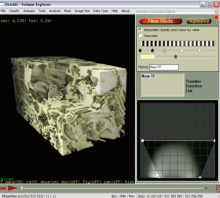
Drishti (from Sanskrit  word for "vision" or "insight") is a multi-platform, open-source volume-exploration and presentation tool. Written for visualizing tomography data, electron-microscopy data and the like.

Drishti
Description

Classification of trajectoire: need tracking results as input and will then classify the trajectories as  brownian motion, confined brownian or directed.

has function
thot
Description

TeraStitcher is a free tool that enables the stitching of Teravoxel-sized tiled microscopy images even on workstations with relatively limited resources of memory (<8 GB) and processing power. It exploits the knowledge of approximate tile positions and uses ad-hoc strategies and algorithms designed for such very large datasets. The produced images can be saved into a multiresolution representation to be efficiently visualized (e.g. Vaa3D-TeraFly) and processed.

Description

SliceMap

Whole brain tissue slices are commonly used in neurobiological research for analyzing pathological features in an anatomically defined manner. However, since many pathologies are expressed in specific regions of the brain, it is necessary to have an annotation of the regions in the brain slices. Such an annotation can be done by manual delineation, as done most often, or by an automated region annotation tool.

SliceMap is a FIJI/ImageJ plugin for automated brain region annotation of fluorescent brain slices. The plugin uses a reference library of pre-annotated brain slices (the brain region templates) to annotate brain regions of unknown samples. To perform the region annotation, SliceMap registers the reference slices to the sample slice (using elastic registration plugin BUnwarpJ) and uses the resulting image transformations to morph the template regions towards the anatomical brain regions of the sample. The resulting brain regions are saved as FIJI/ImageJ ROI’s (Regions Of Interest) as a single zip-file for each sample slice.

More information can also be found in "SliceMap: an algorithm for automated brain region annotation", Michaël Barbier, Astrid Bottelbergs, Rony Nuydens, Andreas Ebneth, Winnok H De Vos, Bioinformatics, btx658, https://doi.org/10.1093/bioinformatics/btx658

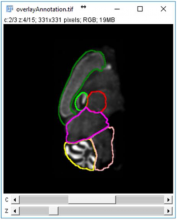
Example: SliceMaps brain region segmentation
Description

Software for analysis, visualization, simulation, and acquisition  of data from spectroscopy and fluorescence microscopy.

  • Fluorescence Correlation Spectroscopy (FCS)
  • Fluorescence Lifetime Imaging (FLIM) and Phasor plots
  • Förster Resonance Energy Transfer (FRET)
  • Generalized Polarization (GP) and Spectral Phasors
  • Number and Brightness (N&B)
  • Photon Counting Histogram (PCH)
  • Raster and Spatio-temporal Image Correlation Spectroscopy (RICS and STICS)
  • Single Particle and Modulation Tracking (SPT, MT)
  • Image Mean Square Displacement (iMSD)
  • Pair correlation function (pCF)
has function
Description

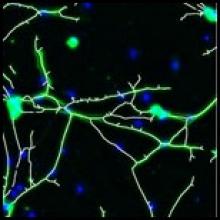
"The plugin analyzes fluorescence microscopy images of neurites and nuclei of dissociated cultured neurons. Given user-defined thresholds, the plugin counts neuronal nuclei, and traces and measures neurite length."[...]" NeuriteTracer is a fast simple-to-use ImageJ plugin for the analysis of outgrowth in two-dimensional fluorescence microscopy images of neuronal cultures. The plugin performed well on images from three different types of neurons with distinct morphologies."

This plugin requires parameter setting: Threshold levels and scale (see more details on the related publication)

Description

Integrates hardware control of Leica microscopes (via CAM), image analysis (e.g. via ImageJ, Matlab), and adaptive automatic screening of identified regions of interest.

Description

SuRVoS: Super-Region Volume Segmentation workbench

A volume is first partitioned into Super-Regions (superpixels or supervoxels) and then interactively segmented by the user providing training annotations. SuRVoS can then learn from and extend the annotations to the whole volume.

User interface of SuRVoS showing example annotation on soft x-ray tomography data
Description

Neural Circuit Tracer (NCTracer) is open source software for automated and manual tracing of neurites from light microscopy stacks of images. NCTracer has more than one workflow available for neuron tracing. 


"The Neural Circuit Tracer is open source software built using Java (Sun Microsystems) and Matlab (MathWorks, Inc., Natick MA). It is based on the core of ImageJ (http://rsbweb.nih.gov/ij) and the graphic user interface has been developed by using Java Swings. The software combines anumber of functionalities of ImageJ with several newly developed functions for automated and manual tracing of neurites. The Neural Circuit Tracer is designed in a way
that will allow the users to add any plug-ins developed for ImageJ. More importantly, functions written in MatLab and converted into Java with Matlab JA toolbox can also be added to the Neural Circuit Tracer." 

Example of output from Neural Circuit Tracer
Description

Microscopy Image Browser (MIB) is a high-performance Matlab-based software package for advanced image processing, segmentation and visualization of multi-dimensional (2D-4D) light and electron microscopy datasets.

MIB is a freely available, user-friendly software for effective image processing of multidimensional datasets that improves and facilitates the full utilization of acquired data and enables quantitative analysis of morphological features. Its open-source environment enables fine tuning and possibility of adding new plug-ins to customize the program for specific needs of any research project.

MIB
Description

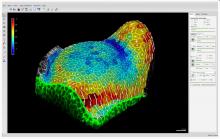
MorphoGraphX is a free Linux application for the visualization and analysis of 3D biological datasets. Developed by researchers, it is primarily used for the analysis and quantification of 3D live-imaged confocal data sets.

The main research interests adressed by MorphoGraphX are:

  • Shape extraction
  • Growth analysis
  • Signal quantification
  • Protein localization
has function
MorphoGraphX user interface
Description

Vaa3D is a handy, fast, and versatile 3D/4D/5D Image Visualization and Analysis System for Bioimages and Surface Objects. It also provides many unique functions that you may not find in other software. It is Open Source, and supports a very simple and powerful plugin interface and thus can be extended and enhanced easily.

Vaa3D is cross-platform (Mac, Linux, and Windows). This software suite is powerful for visualizing large- or massive-scale (giga-voxels and even tera-voxels) 3D image stacks and various surface data. Vaa3D is also a container of powerful modules for 3D image analysis (cell segmentation, neuron tracing, brain registration, annotation, quantitative measurement and statistics, etc) and data management. This makes Vaa3D suitable for various bioimage informatics applications, and a nice platform to develop new 3D image analysis algorithms for high-throughput processing. In short, Vaa3D streamlines the workflow of visualization-assisted analysis.

Vaa3D can render 5D (spatial-temporal) data directly in 3D volume-rendering mode; it supports convenient and interactive local and global 3D views at different scales... it comes with a number of plugins and toolboxes. Importantly, you can now write your own plugins to take advantage of the Vaa3D platform, possibly within minutes!


Vaa3D_logo
Description

Scipion is an image processing framework for obtaining 3D models of macromolecular complexes using Electron Microscopy (3DEM). It integrates several software packages and presents a unified interface for both biologists and developers. Scipion allows you to execute workflows combining different software tools, while taking care of formats and conversions. Additionally, all steps are tracked and can be reproduced later on.

http://scipion.cnb.csic.es/m/home/
Description

SOAX is an open source software tool to extract the centerlines, junctions and filament lengths of biopolymer networks in 2D and 3D images. It facilitates quantitative, reproducible and objective analysis of the image data. The underlying method of SOAX uses multiple Stretching Open Active Contours (SOACs) that are automatically initialized at image intensity ridges and then stretch along the centerlines of filaments in the network. SOACs can merge, stop at junctions, and reconfigure with others to allow smooth crossing at junctions of filaments.

SOAX provides 3D visualization for exploring image data and visually checking results against the image. Quantitative analysis functions based on extracted networks are also implemented in SOAX, including spatial distribution, orientation, and curvature of filamentous structures. SOAX also provides interactive manual editing to further improve the extraction results, which can be saved in a file for archiving or further analysis. Useful for microtubules or actin filaments.

Observation: Depending on the operating system, the installation may or may not require Boost C++, ITK and VTK libraries. Windows has a standalone executable application without the need of those. 

snapshot microtubules soax
Description

WormGUIDES Atlas is an interactive 4D portrayal of neural development in C. elegans. It will ultimately contain nuclear positions for every cell in the embryo, identified and tracked from the 2 cell stage until hatching. Single-cell and subcellular information, including neural outgrowth dynamics for each cell as well as cell function, gene expression, the adult neural connectome and related literature will be collated for each cell from public sources and also integrated with the atlas model. WormGUIDES Atlas integrates tools for exploratory data analyses and insight sharing. Navigation is linked between 3D and lineage tree views. In both contexts, community single cell information can be accessed with a click, creating live web queries that summarize knowledge about a cell. In many cases this information can be used to control cell color, creating customized interactive visualizations. A user's insights can be annotated directly into the embryo model with a note-taking interface that attaches each annotation to a cell or other point in space and time. These multi-dimensionally located notes can then be ordered into a (chrono)logical story sequence that explains developmental events as they unfold in the embryo. Annotations can be saved and shared with collaborators or the community.

WormGuides screenshot
Description

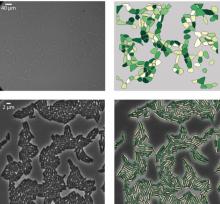
Spotsizer is a software tool that automates analysis of large volumes of photographic images of growing microbes.

screenshot of the spotsizer gui
Description

CellProfiler is free, open-source software for quantitative analysis of biological images.

CellProfiler is designed to enable biologists without training in computer vision or programming to quantitatively measure cell or whole-organism phenotypes from thousands of images automatically. The researcher creates an analysis pipeline from modules that find cells and cell compartments, measure features of those cells to form a rich, quantitative dataset that characterizes the imaged site in all of its heterogeneity. CellProfiler is structured so that the most general and successful methods and strategies are the ones that are automatically suggested, but the user can override these defaults and pull from many of the basic algorithms and techniques of image analysis to solve harder problems. CellProfiler is extensible through plugins written in Python or for ImageJ. Strengths: Cells, Neurons, C. Elegans, 2D Fluorescent images, high-throughput screening, phenotype classification, multiple stains/site, interoperability, extensibility, machine learning, segmentation Limitations: largely limited to 2D, not well suited to manually-guided analysis or content review, image size limitations

Description

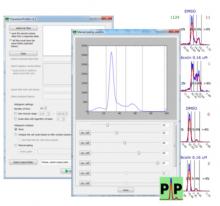
PopulationProfiler – is light-weight cross-platform open-source tool for data analysis in image-based screening experiments. The main idea is to reduce per-cell measurements to per-well distributions, each represented by a histogram. These can be optionally further reduced to sub-type counts based on gating (setting bin ranges) of known control distributions and local adjustments to histogram shape. Such analysis is necessary in a wide variety of applications, e.g. DNA damage assessment using foci intensity distributions, assessment of cell type specific markers, and cell cycle analysis.

has topic
PopulationProfiler screenshot
Description

Advanced Cell Classifier is a data analyzer program to evaluate cell-based high-content screens and tissue section images developed at the Biological Research Centre, Szeged and FIMM, Helsinki (formerly at ETH Zurich). The basic aim is to provide a very accurate analysis with minimal user interaction using advanced machine learning methods.

Advanced Cell Classifier
Description

A standalone cell tracking software for single cell migration. Tracking of cells in tissue was also done in Drosophila germband.

GUI image (from http://sacan.biomed.drexel.edu/celltrack)
Description

QuantCenter is the framework for 3DHISTECH image analysis applications. with the goal of helping the pathologists to diagnose in an easier way. QuantCenter, is optimized for whole slide quantification. It has a linkable algorithm concept that tries to provide an easy-to-use and logical workflow. The user has different quantification modules that he or she could link one after other to fine-tune or to speed up the analysis.

QuantCenter logo
Description

MyTardis is free and open-source data management software. It facilitates annotation, sharing and archiving of data and metadata collected from different modalities. It focuses on integration with scientific instruments, instrument facilities and research storage and computing infrastructure; to address the challenges of data storage, data access, collaboration and data publication. It is currently being used to capture data from areas such as optical microscopy, electron microscopy, medical imaging, protein crystallography, neutron and X-ray scattering, flow cytometry, genomics and proteomics.

Key features:

  • Easy instrument integration.
  • Discipline specific: MX, Imaging, Microscopy, Genomics ...
  • Wide range of data formats & supported instruments.
  • Secure cloud data storage & access.
  • Simple data sharing.
  • Researcher controlled data publishing.
  • APIs for programmatic access to data and metadata.
has topic
has function
need a thumbnail
Description

This is a Java content-based image retrieval software components. It can be runned independantly or connected to a Cytomine server. Content-based image retrieval (CBIR), also known as query by image content (QBIC) and content-based visual information retrieval (CBVIR) is the application of computer vision techniques to the image retrieval problem, that is, the problem of searching for digital images in large databases. Content-based" means that the search algorithm analyzes the contents of the image rather than the metadata such as keywords, tags, or descriptions associated with the image. The term "content" in this context might refer to colors, shapes, textures, or any other information that can be derived from the image itself. The CBIRetrieval library is: Incremental: You can add new images all over the time. Scalable: Run as many server as you want. Client performs search on all servers. Flexible: Run as a simple app (command line) or use the JAR in your own JVM app/server (java import) Opensource/Free: Apache 2.0 CBIRetrieval is a java library for CBIR, CBIRest is a server with a REST HTTP API with CBIRetrieval embedded. If you want to connect a software/webapp with a CBIR engine, you should use CBIRest. This is a fast multi-threaded and noSQL implementation of the algorithm published in: Incremental Indexing and Distributed Image Search using Shared Randomized Vocabularies Marée, Raphaël; Denis, Philippe; Wehenkel, Louis; Geurts, Pierre,in ACM Proceedings MIR 2010 (2010, March). It was applied on histology images and radiology images.

need a thumbnail
Description

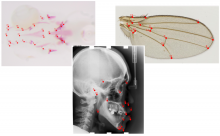
It is a trainable interest point (anatomical landmarks) detection algorithm. It requires images and interest point coordinates. It can run independantly (using csv files to describe coordinates) or it can be executed using Cytomine.


Typical application: Morphometric studies (e.g. in zebrafish/drosphila development)


Used in: Evaluation and Comparison of Anatomical Landmark Detection Methods for Cephalometric X-Ray Images: A Grand Challenge http://dx.doi.org/10.1109/TMI.2015.2412951 Automatic localization of interest points in zebrafish images with tree-based methods 

has function
Landmark detection example
Description

Neurolucida is a powerful tool for creating and analyzing realistic, meaningful, and quantifiable neuron reconstructions from microscope images. Perform detailed morphometric analysis of neurons, such as quantifying 1) the number of dendrites, axons, nodes, synapses, and spines, 2) the length, width, and volume of dendrites and axons, 3) the area and volume of the soma, and 4) the complexity and extension of neurons. See 10.3389/fnins.2012.00049

Neurolucida example
Description

This module is for learning classification models from ground-truth data (supervised learning). It downloads from Cytomine-Core annotation images and coordinate of annotated objects from project(s) and build a annotation classification model which is saved locally.  

It is used by Cytomine DataMining applications: classification_validation, classification_model_builder, classification_prediction, segmentation_model_builder and segmentation_prediction. But it can be run without Cytomine on local data (using dir_ls and dir_ts arguments).

has topic
need a thumbnail
Description

TurtleSeg is an interactive 3D image segmentation tool. TurtleSeg has an automated system, Spotlight, for automatically directing the user towards the next steps. Typically, a user loads a 3D image and then manually contour a sparse number of slices, the full 3D segmentation can then be built automatically.

need a thumbnail
Description

XuvTools (pronounced “ex-you-vee-tools”) is a fully automated 3D stitching software for biomedical image data, typically confocal microscopy images. XuvTools runs on Microsoft Windows XP and Vista, Linux and Apple Mac computers. It supports 32 and 64bit operating systems (with 64bit highly preferred). XuvTools is free and open source software (see Licensing), so you can start using it immediately. Go to Downloads and give it a try. The goal of XuvTools is to provide tools, that combine multiple microscopic recordings to obtain a larger field of view (“stitching”) and a higher dynamic range (“HDR” recombination), or better resolution (multi view reconstruction), and to make these tools publicly available.

need a thumbnail
Description

The Virtual Brain Explorer (ViBE-Z) is a software that automatically maps gene expression data with cellular resolution to a 3D standard larval zebrafish (Danio rerio) brain. It automatically detects 14 predefined anatomical landmarks for aligning data. It also offers a database and atlas. The ViBE-Z database, atlas and software are provided via a web interface. A data preparation step is needed in order to provide the right input data and format.

need a thumbnail
Description

Auto-Bayes is a software package based on Bayesian statistics and requires no user dependent parameters for molecule detection and image reconstruction for Single-Molecule Localization Microscopy (SMLM), including photoactivated localization microscope (PALM), stochastic optical reconstruction microscope (STORM), and direct stochastic optical reconstruction microscopy (dSTORM), etc.

need a thumbnail
Description

This software is designed for the rapid semi-automatic detection and quantification of synaptic protein puncta from 2D immunofluorescence images generated by confocal laser scanning microscopy.

need a thumbnail
Description

- 2D Stabilization in each slice of the stacks in time. - 3D Stabilization intravital imaging of all the stacks (including the dimension Z) - create the videos and the stabilized images in a new folder 2701

has function
need a thumbnail
Description

PSF Lab is a software program that calculates the illumination point spread function of a confocal microscope under various imaging conditions. It is available in 32-bit and 64-bit for Windows and in 64-bit for Mac.

has function
Description

This is the source code and data page of a distributed parallel algorithm 2683 for segmentation of large fluorescence microscopy images.

has function
need a thumbnail
Description

Free-D is a three-dimensional (3D) reconstruction and modeling software. It allows to generate, process and analyze 3D point and surface models from stacks of 2D images. Free-D is an integrated software, offering in a single graphical user interface all the functionalities required for 3D modeling. It runs on Linux, Windows, and MacOS. Free-D is developed by the Modeling and Digital Imaging team of the Institut Jean-Pierre Bourgin, INRA Versailles, France.

Description

arivis Vision4D is a modular software for working with multi-channel 2D, 3D and 4D images of almost unlimited size independent of available RAM. Many imaging systems, such as high speed confocal, Light Sheet/ SPIM and 2 Photon systems, can produce a huge amount of multi-channel data, which arivis Vision4D handles without constraints. Terabyte ready arivis Vision4D main functionality: Easy import of most image formats from microsopes as well as biological formats High performance interactive 3D / 4D rendering on standard PCs and laptops with 3D Graphics Support Intuitive tools for stitching and alignment to create large multi-dimensional image stacks Immediate 2D, 3D and 4D visualization, annotation and analysis regardless of image size Creation, import, and export of 4D Iso-surfaces Powerful Analysis Pipeline for 3D /4D image analysis (cell segmentation, tracking, annotation, quantitative measurement and statistics, etc) Semi-automatic/manual segmentation and tracking with interactive Track Editor Easy design and export of 3D / 4D High Resolution Movies Seamless integration of custom workflows via Matlab API and Python scripting Data sharing for collaboration A user friendly software, easy to learn and use for any life scientist

need a thumbnail
Description

Free-D (http://free-d.versailles.inra.fr/) is a 3D reconstruction and modeling software. It is multiplatform, free (but not open source) tool for academic research and teaching.

Here is how to proceed, using Free-D:

1. Segmentation:

* load (a collection of) individual 3d stacks

* (optional for serial sections) perform a 2D registration to align image slices

* segment/reconstruct 3D contours using snakes

* segment 3D spots

2. Construct average cell:

* normalize the contours to compute a average cell, by registering/warping 3D contours/surfaces

3. Quantification:

* project each individual cell to the average one

* build density maps to analyze (cartography)

A few notes for current software version (till 10/2016):

* input file format: tiff (not able to import bioformats)

* currently results are saved in customized format, but there is an exportor to convert this format into fiji readable one

* import already generated contours is on the software's TODO list

need a thumbnail
Description

It is a tool to visualize and annotate volume image data of electron microscopy. Users can annotate objects (e.g. neurons) and skeleton structures. It provides the ability to overlaying the image data with user annotations, representing the spatial structure and the connectivity of labeled objects, and displaying a three dimensional model of it. It can be extended by plugins written in python. A similar, web-based implementation is being developed at webknossos.info. Example datasets are also available.

Annotation in Knossos
Description

Localization-based super-resolution techniques open the door to unprecedented analysis of molecular organization. This task often involves complex image processing adapted to the specific topology and quality of the image to be analyzed. SR-Tesseler is an open-source segmentation software using Voronoï tessellation constructed from the coordinates of localized molecules. It allows precise, robust and automatic quantification of protein organization at different scales, from the cellular level down to clusters of a few fluorescent markers. SR-Tesseler is insensitive to cell shape, molecular organization, background and noise, allowing comparing efficiently different biological conditions in a non-biased manner, and perform quantifications on various proteins and cell types. SR-Tesseler software comes with a very simple and intuitive graphical user interface, providing direct visual feedback of the results and is freely available under GPLv3 license.

Density map of a neuron extracted from the Voronoï diagram
Description

Pandore is a standardized library of image processing operators. The current version contains image processing operators that operate on grayscale, color and multispectral, 1D, 2D and 3D images.

Link: Operator Index

has function
Description

An easy to use, image analysis software package that enables rapid exploration and interpretation of microscopy data.

PhenoBrowser
Description

idTracker is a videotracking software that keeps the correct identity of each individual during the whole video. It works for many animal species including mice, insects (Drosophila, ants) and fish (zebrafish, medaka, stickleback). idTracker distinguishes animals even when humans cannot, such as for size-matched siblings, and reidentifies animals after they temporarily disappear from view or across different videos. It is robust, easy to use and general. Technique details and analyses of several applications are described in Pérez-Escudero et al (2014).

Video protocol: https://www.youtube.com/watch?v=oC9tp5TKAyw

Example image: Example video of 5 zebrafish

has function
Description

The rapidSTORM project is an open source evaluation tool that provides fast and highly configurable data processing for single-molecule localization microscopy such as dSTORM. It provides both two-dimensional and three-dimensional, multi-color data analysis as well as a wide range of filtering and image generation capabilities. The general operation of rapidSTORM is described in Wolter et al (2012).

has function
Description
has function
Description

Very simple application that lets you load your time-lapse intensity data to generate the normalized FRAP recovery curve and perform exponential curve fitting.

Quote: The user can handle simultaneously large data sets of raw data, visualize fluorescence recovery curves, exclude low quality data, perform data normalization, extract quantitative parameters, perform batch analysis and save the resulting data and figures for further use. Our tool is implemented as a single-screen Graphical User Interface (GUI) and is highly interactive, as it permits parameterization and visual data quality assessment at various points during the analysis.

Description

Requires Matlab Runtime Environment or Matlab. Source code (m-files) are downloaded. Software availability: AVeMap was developed under MATLAB (MathWorks). It is available as an executable, multiplatform program, together with source codes and documentation here, and the source code is also available as Supplementary Software. For practical reasons, this executable version, which does not require MATLAB, runs on a single processor. For users who want to customize the software and/or need the power of parallel computing, an installation of MATLAB with its 'parallel' and 'image processing' toolboxes is needed. Note that, even with the executable version, the velocity fields are stored for further analysis. The add-on AVeMap+ uses these AVeMap-computed velocity fields to generate heat map tables. It is available with the same link.

need a thumbnail
Description

A commercial image analysis software. It's interface allows to easily perform measurements and image analysis. Your actions can be recorded and a macro (in a basic script language) can then be created. Almost no knowledge in programming is needed. You can also use python. A SDK is also available to develop stand alone applications in c++. Additional modules allow to use specific operations (3D operators... Examples of available categories of operators : filtering, edge detection, mathematical morphology, segmentation, Frequency operations, mathematical/logical operations, measurements...

need a thumbnail
Description

ITK-SNAP is a software application used to segment structures in 3D medical images. It can also be used as a 3D annotation tool for deep learning. It is based on ITK, VTK libraries.

Description

The Huygens Software Suite consists of different image processing packages with functionalities that include deconvolution, interactive analysis, and volume visualization of 2D-3D multi-channel and time series images from fluorescence microscopes such as widefield, confocal, multi-photon, spinning disk, Array Detector, STED, and Light Sheet

Description

**Collaborative Annotation Toolkit for Massive Amounts of Image Data** CATMAID is a Collaborative Annotation Toolkit for Massive Amounts of Image Data. It is designed to navigate, share and collaboratively annotate massive image data sets of biological specimens. The interface is inspired by GoogleMaps, with which it shares basic navigation concepts, enhanced to allow the exploration of 3D biological image data acquired by optical or physical sectioning microscopy techniques. The interface enables seamless sharing of regions of interest through bookmarks and synchronized navigation through multiple registered data sets. With massive biological image data sets it is unrealistic to create a sustainable centralized repository. A unique feature of CATMAID is its partially decentralized architecture where the presented image data can reside on any Internet accessible server and yet can be easily cross-referenced in the central database. In this way no image data are duplicated and the data producers retain full control over their images. CATMAID is intended to serve as data sharing platform for biologists using high-resolution imaging techniques to probe large specimens. Any high-throughput, high-content imaging project such as gene expression pattern screens would benefit from the interface for data sharing and annotation.

CATMAID
Description

Amira is 3D visualization and analysis software for life sciences.
 

" Amira software is a powerful, multifaceted 3D platform for visualizing, manipulating, and understanding life sciences data from computed tomography, microscopy, MRI, and many other imaging modalities. 
With incredible speed and flexibility, Amira software enables advanced 3D imaging workflows for specialists in research areas ranging from molecular and cellular biology to neuroscience and bioengineering. "

has topic
Amira's interface
Description

Acquiarium is for carrying out the common pipeline of many spatial cell studies using fluorescence microscopy. It addresses image capture, raw image correction, image segmentation, quantification of segmented objects and their spatial arrangement, volume rendering, and statistical evaluation. It is focused on quantification of spatial properties of many objects and their mutual spatial relations in a collection of many 3D images. It can be used for analysis of a collection of 2D images or time lapse series of 2D or 3D images as well. It has a modular design and is extensible via plug-ins. It is a stand-alone, easy to install application written in C++ language. The GUI is written using cross-platform wxWidgets library.

Functionalities
Description

Slicer, or 3D Slicer, is a free, open source software package for visualization and image analysis. 3D Slicer is natively designed to be available on multiple platforms, including Windows, Linux and Mac Os X.

Source code: https://github.com/Slicer/Slicer

3D slicer
Description

u-track is a multiple-particle tracking Matlab software that is designed to (1) track dense particle fields, (2) close gaps in particle trajectories resulting from detection failure, and (3) capture particle merging and splitting events resulting from occlusion or genuine aggregation and dissociation events. Its core is based on formulating correspondence problems as linear assignment problems and searching for a globally optimal solution.

Data can be read using bio-format and interfaced with OMero data base.

It comes as a standalone software, but can be used as a library, which is according to the authors the most widely used version of it.

  • Version 2.2 adds parallel processing functionality for multi-movie datasets when using the GUI.
  • Version 2.1 enables the analysis of movies stored on an OMERO server
  • Version 2.0 includes two new tracking applications: microtubule plus-end tracking (previously distributed as plusTipTracker) and nuclei tracking
  • A third optional processing step has been added to the analysis workflow, track analysis, with two methods: motion analysis and microtubule plus-end classification

For more information, please see Jaqaman et al., Nature Methods 5, pp. 695-702 (2008). Besides basic particle tracking, the software supports the features described in Applegate et al. J. Struct. Biol. 176(2):168-84. 2011 for tracking microtubule plus end markers; and in Ng et al. J. Cell Biol. 199(3):545-63. 2012 for tracking fluorescently-labeled cell nuclei.


Description

ilastik is a simple, user-friendly tool for interactive image classification, segmentation and analysis. It is built as a modular software framework, which currently has workflows for automated (supervised) pixel- and object-level classification, automated and semi-automated object tracking, semi-automated segmentation and object counting without detection. Most analysis operations are performed lazily, which enables targeted interactive processing of data subvolumes, followed by complete volume analysis in offline batch mode. Using it requires no experience in image processing.

ilastik (the image learning, analysis, and segmentation toolkit) provides non-experts with a menu of pre-built image analysis workflows. ilastik handles data of up to five dimensions (time, 3D space, and spectral dimension). Its workflows provide an interactive experience to give the user immediate feedback on the quality of the results yielded by her chosen parameters and/or labelings.

The most commonly used workflow is pixel classification, which requires very little parameter tuning and instead offers a machine learning technique for segmenting an image based on local image features computed for each pixel.

Other workflows include:

Object classification: Similar to pixel classification, but classifies previously segmented objects by object characteristics in a subsequent step

Autocontext: This workflow improves the pixel classification workflow by running it in multiple stages and showing each pixel the results of the previous stage.

Carving: Semi-automated segmentation of 3D objects (e.g. neurons) based on user-provided seeds

Manual Tracking: Semi-automated cell tracking of 2D+time or 3D+time images based on manual annotations

Automated tracking: Fully-automated cell tracking of 2D+time or 3D+time images with some parameter tuning

Density Counting: Learned cell population counting based on interactively provided user annotation

Strengths: interactive, simple interface (for non-experts), few parameters, larger-than-RAM data, multi-dimensional data (time, 3D space, channel), headless operation, batch mode, parallelized computation, open source

Weaknesses: Pre-built workflows (not reconfigurable), no plugin system, visualization sometimes buggy, must import 3D data to HDF5, tracking requires an external CPLEX installation

Supported Formats: hdf5, tiff, jpeg, png, bmp, pnm, gif, hdr, exr, sif

Description

Computes signed curvature along a line.

has topic
need a thumbnail
Description

This workflow estimates (densely distributed) object counts by the density of objects in the image without performing segmentation or object detection. Current version only works for 2D images of roundish objects with similar sizes on relatively homogeneous background. Users should provide a few labels of background and objects (especially on clustered objects), and the tool predicts the density of objects on the entire image. Counting is then estimated by integrating the density values on the whole image or specified rectangular regions of interests.
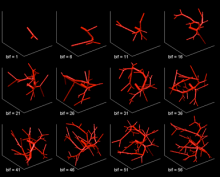
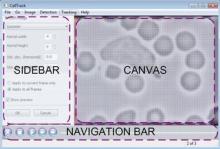
need a thumbnail
Description

Fully-automated cell tracking of 2D+time or 3D+time images with some parameter tuning

has function
need a thumbnail
has topic
has function
need a thumbnail
Description

CellTracker software is a platform for tracking nuclear and cytoplasmic fluorescence intensities from live cell microscopy time series data.


Requires visual C++

Description

Fill regions in images.

has function
need a thumbnail
Description

When opening the Pannoramic Viewer you see all of your virtual slides in thumbnail view. Selecting one (or up to 10 at a time) the slide gets under the virtual objective of the virtual microscope. Here you can move and change the magnification of the slide quickly and easily using the mouse. Emphasizing 'quickly' is important considering the fact that the size of an average virtual slide can easily be more than 1 GB.


Main characteristics:

  • Seamless zooming and moving of the virtual slide
  • Bookmarking (annotating) on the spot, i.e. defining the specific part of the sample by drawing; finding and reading of previously made bookmarks
  • Easy and precise measurements
  • Real-time changing of brightness, contrast and color bias
  • Fluorescent slide handling, separate channel view & pseudo-colorization
  • Slide uploading and downloading for teleconsultation
  • Synchronized viewing (moving and zooming) of multiple slides for comparison purposes
  • Publication quality image capture of displayed areas (.JPG, .BMP, .TIFF)
  • TIFF, MIRAX slide and Meta-XML export for Carl Zeiss AxioVision™ compatibility
  • Scanmap export for rescanning existing digital slides
  • Easily expandable functionality via the software modules
Description

DensitoQuant is a simple and fast, yet effective tool for IHC measurements. It measures the density of immunostain on the digital slides by distributing pixels to negative and 3 grades of positive classes by their RGB values. DensitoQuant is especially suitable for quick TMA evaluation. Analyzing a whole digital slide takes only a couple of minutes.

Description

This package implements the interscale orthonormal wavelet thresholding algorithm based on the SURE-LET principle. A multichannel extension is also available. Java Applets are available too.

has function
need a thumbnail
has topic
has function
Description

PSF Generator is a software package that allows one to generate and visualize various 3D models of a microscope PSF. The current version has more than fifteen different models.

3D diffractive models: scalar-based diffraction model Born & Wolf, scalar-based diffraction model with 3 layers Gibson & Lanni, and vectorial-based model Richards & Wolf, and Variable Refractive Index Gibson & Lanni model.

Defocussing a 2D lateral function with 1D axial function: the available lateral functions are: "Gaussian", "Lorentz", "Cardinale-Sine", "Cosine", "Circular-Pupil", "Astigmatism", "Oriented-Gaussian", "Double-Helix".

Optical Transfer Function generated in the Fourier domain: Koehler simulation, defocus simulation.

has topic